Many of the conversations I have with leaders of commercial janitorial companies center on growth, specifically how to add new customers and revenue. Almost without exception, those conversations turn to sales and questions like: When do I hire a salesperson? How much should I pay in base and commission? How much new revenue should I expect? How many walkthroughs should I be getting each month?
The honest answer to most of those questions is – it depends. I wish there were a cleaner answer, but there isn’t.
Start With a System
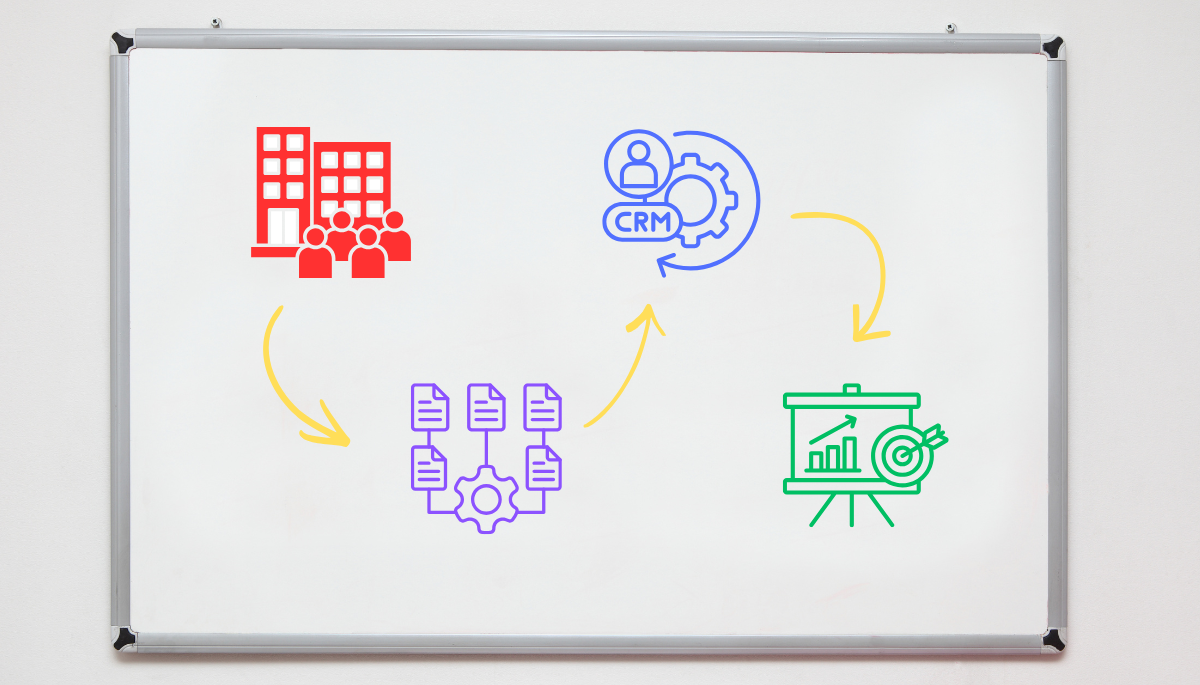
Companies need a prequalified list of companies and organizations, ideally with one or two contacts at each location, organized in a database or CRM. They also need a clear, repeatable process for making initial contact, determining readiness to consider a change, and maintaining ongoing nurture over time.
That’s it. Nothing flashy.
This step cannot be skipped, and it often feels like heavy lifting. There are tools that make it easier, such as business intelligence platforms and CRMs, but regardless of the tools, someone must do this critical foundational work.
Why a BDR Comes Next
What most companies need at this stage is someone whose primary responsibility is to connect with as many prequalified prospects as possible and determine their readiness to consider a change. In most cases, this can be accomplished through a well-designed outbound telephone and email process.
Instead of hiring a traditional sales representative, a better first step is an in-house Business Development Representative (BDR). Their role is not to close deals, but to identify readiness, stay connected over time, and tee up opportunities for the business owner to convert when the timing is right.
Sales Doesn’t Create Demand
Hiring a BDR instead of a sales rep can seem counterintuitive. However, selling janitorial services is not about convincing a company that they need their building cleaned. Buyers already understand this. We don’t sell software or a new type of service that increases revenue or reduces costs.
Because of this, sales in our industry works differently than many people expect. We are not creating demand or urgency through messaging or persuasion. A salesperson does not cause another provider to perform poorly, a contract to expire, or a buyer to suddenly want to change vendors. Those conditions either exist or they do not.
What sales does is convert opportunity once it exists by guiding the decision, reducing perceived risk, setting expectations, and pricing appropriately when a buyer is open to change.
I know this firsthand. As a medical practice administrator for nearly 10 years, I changed janitorial providers once, and only because the original company closed. Until I was ready to consider a change, sales messaging did not matter to me at all.
The Owner Advantage
If you are the owner, you are often the most effective salesperson on the team because you bring trust, authority, and speed to the conversation. Buyers feel safer saying yes to the owner, especially in a market like ours where switching vendors feels risky.
This also explains why many owners become frustrated with their first sales hire. The owner is often closing opportunities that already have the right timing, while the salesperson is asked to create momentum where little exists. Add to that the owner’s natural authority and sense of urgency, and it can feel like sales “worked” before and suddenly doesn’t, even though the conditions have not really changed.
When Should I Hire a Salesperson?
If you enjoy the business growth process, the answer may be never. In that case, it often makes sense to stay involved and connected to sales while using a BDR or associate to support outbound activity, set walkthroughs, and assist with proposal development.
However, if you have been carrying the responsibility for growth and find it draining, or if you want to focus more of your time on operations or other priorities, that may be the point when it makes sense to bring someone in to fill the sales representative function.
What Kind of Salesperson Do You Need?
If that’s where you are, a traditional salesperson is usually not what you need. Most salespeople are motivated by commissions and short-term wins. There’s nothing wrong with that. It just doesn’t always line up well with how growth happens in our industry.
What tends to work better is someone who can sell, but who is also patient, process-oriented, and enjoys building something over time. This role requires a mix of skills: the ability to hunt for opportunity, the discipline to work a process, and the judgment to recognize timing rather than forcing a quick close.
People like this don’t always show up on traditional sales resumes. They also aren’t usually out looking for a “sales job.” More often, they’re found through conversations and relationships. Sometimes they’re a neighbor, a parent you talk to at your child’s sporting events, or someone in your social network who wants to be part of building a strong business.
A Practical Path Forward
Hold onto sales and business growth responsibility as long as you can. Build the system first. Add a business development role to support outbound effort and opportunity creation.
When the responsibility becomes too heavy, and the system is working, look for someone who enjoys building and executing a process, who cares about helping a business grow, and who is motivated by long-term success.
You are looking for a partner. Not a part owner, but someone who cares deeply about the health of the business. Those people are out there. Finding them takes patience, conversation, and a willingness to look beyond traditional hiring channels. When you find the right fit, the work gets lighter and growth stops feeling like a constant struggle.